Tankless water heaters in York
A tankless water heater heats water only when a tap opens — no tank, no standing hot water, no running out in the middle of a shower. For York homes with large families, big tubs, or several bathrooms used at once, that endless supply is the main attraction. The trade-off is that a tankless unit is a more complex machine than a tank heater, and it asks more of its owner: regular descaling, correct sizing, and a gas line or electrical supply that can actually feed it.
How a tankless unit works — and what goes wrong
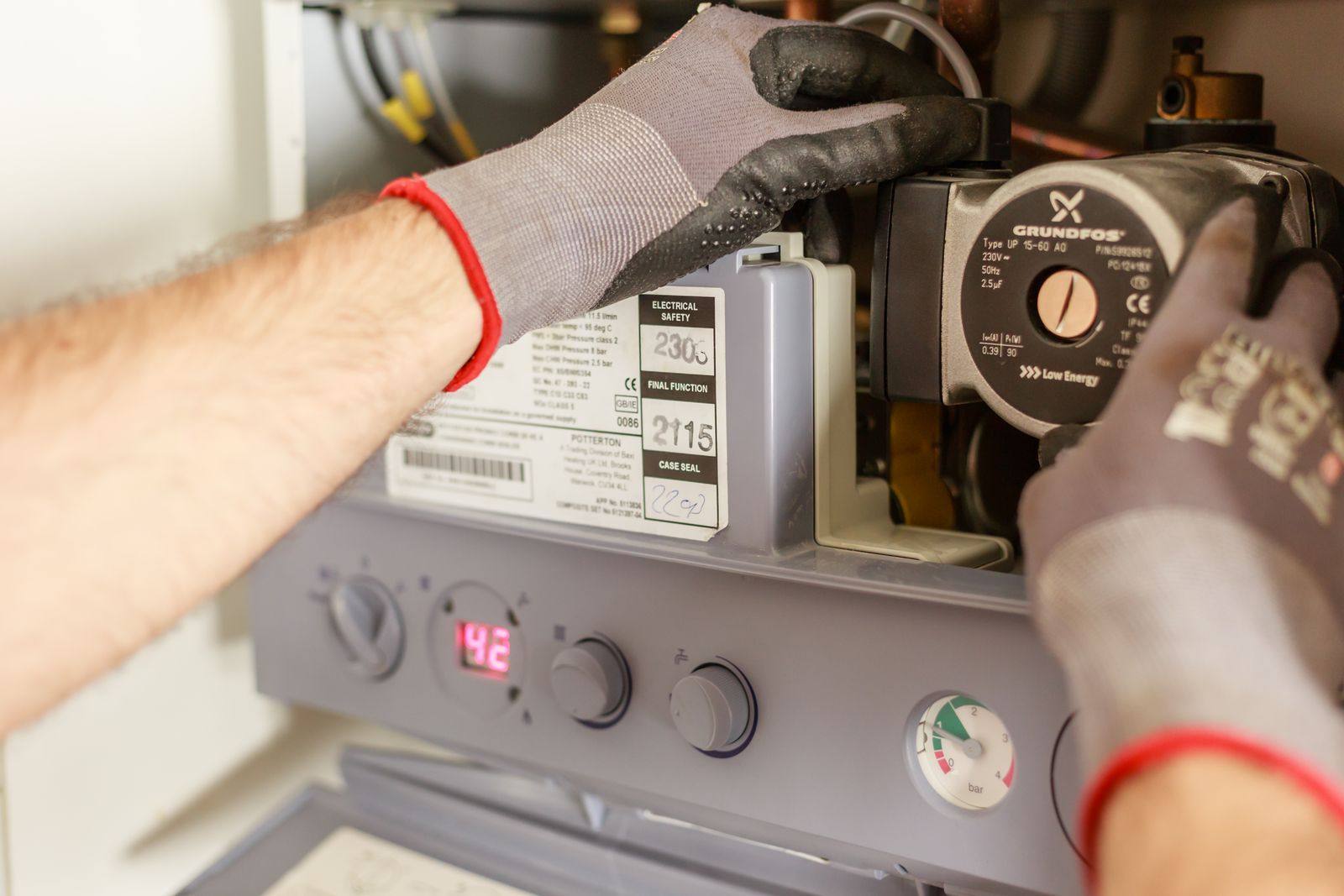
Cold water flows through a heat exchanger, a burner or electric element heats it in seconds, and hot water flows to the tap. Because the water is heated on demand, there is no tank to rust out — but there is a heat exchanger that mineral-rich water attacks. Scale builds up on the exchanger the same way sediment builds up in a tank, and scale is the most common tankless problem in this area: reduced flow, fluctuating temperatures, and eventually error codes and shutdowns.
Other common failures are ignition and sensor faults, and error codes that require the manufacturer's diagnostic sequence. A repair request should always include the exact error code if the unit shows one, and the make and model if you know it.
Sizing matters more than brand
A tankless unit is rated by how much hot water it can raise by a given temperature at a given flow. A unit that is too small for the home will run out of capacity on a cold morning when two showers and a dishwasher run at once — and that is not a fault, it is a sizing mistake. A provider sizes a unit from the home's fixtures, the incoming water temperature in winter, and how many taps run at the same time, not from the size of the old tank.
Descaling is not optional here
Where the water leaves minerals behind, a tankless heat exchanger needs descaling — usually once a year, sometimes more often. Skipping it shortens the unit's life and voids many manufacturer warranties. A maintenance visit includes a descale, a filter check, and an inspection of the venting and condensate drain.
Tankless or tank?
Tankless suits homes that want endless hot water and have the gas or electrical capacity to support it. A tank heater suits homes with modest hot-water needs, limited utility space, or a budget that favours a simpler machine. Neither is right for every home — the provider who responds to your request can explain which fits yours, and what each would cost to install.
Frequently Asked Questions
How long does a tankless water heater last?
Often 15–20 years with regular descaling — longer than a tank unit — but only where the water is treated with the maintenance it needs. Without descaling, scale shortens its life sharply.
My tankless unit shows an error code. What should I do?
Note the exact code and describe what was running when it appeared. Do not keep resetting the unit — repeated resets can mask a fault that needs a part. Include the code in your request.
Does a tankless heater need a bigger gas line?
Often, yes. Tankless burners draw far more gas at peak than a tank heater, and an undersized gas line is one of the most common installation problems. A provider checks the gas supply before quoting an install.
Do you install tankless heaters in York?
Requests for tankless installation, repair, and descaling are accepted from every ZIP code listed on the service area page.